Finding Your Niche: Commercial, Editorial, or Fitness?
Three years in, and you've probably tried a bit of everything.
That's normal early on. But at this stage, being a generalist can quietly work against you.
Here's how to find the niche that fits, without boxing yourself in.

Why "Doing It All" Stops Working
Early on, saying yes to every job builds experience fast. It's the right move at the start.
By year three, though, clients and agencies want clarity.
A clear niche makes you easier to pitch
Specialists get remembered; generalists get overlooked
Agencies can market a defined lane far more effectively than "I do everything"
Niching down isn't limiting. It's what makes you memorable.
The Three Common Lanes
Most models gravitate toward one of three broad directions. None is "better" — they simply reward different strengths.
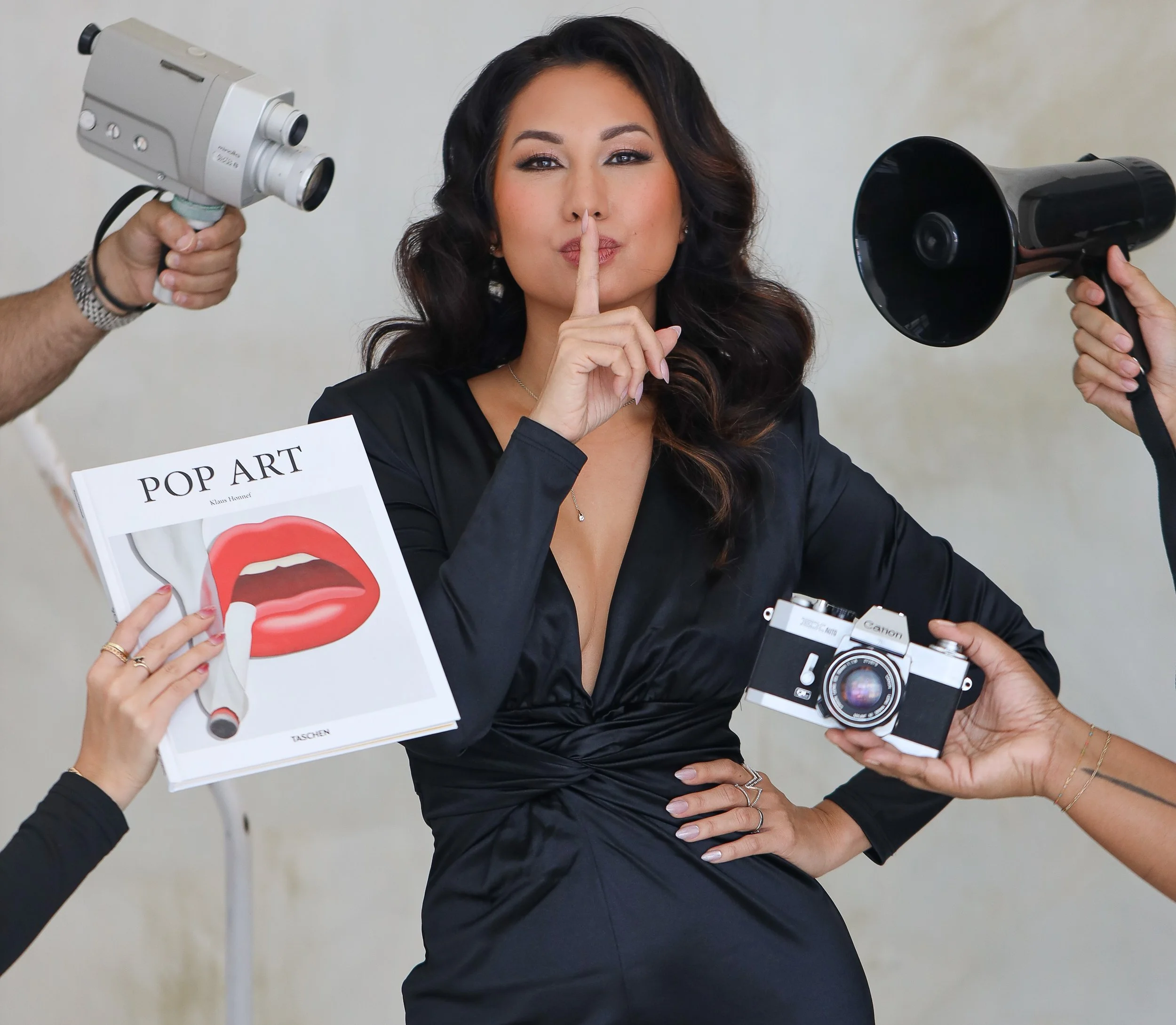
Commercial
Warm, relatable, approachable energy. Strong in lifestyle, product, and everyday brand work.
Rewards natural expressions and versatility
Consistent booking volume across many industries
Great fit if you connect easily with a camera in a "real person" way
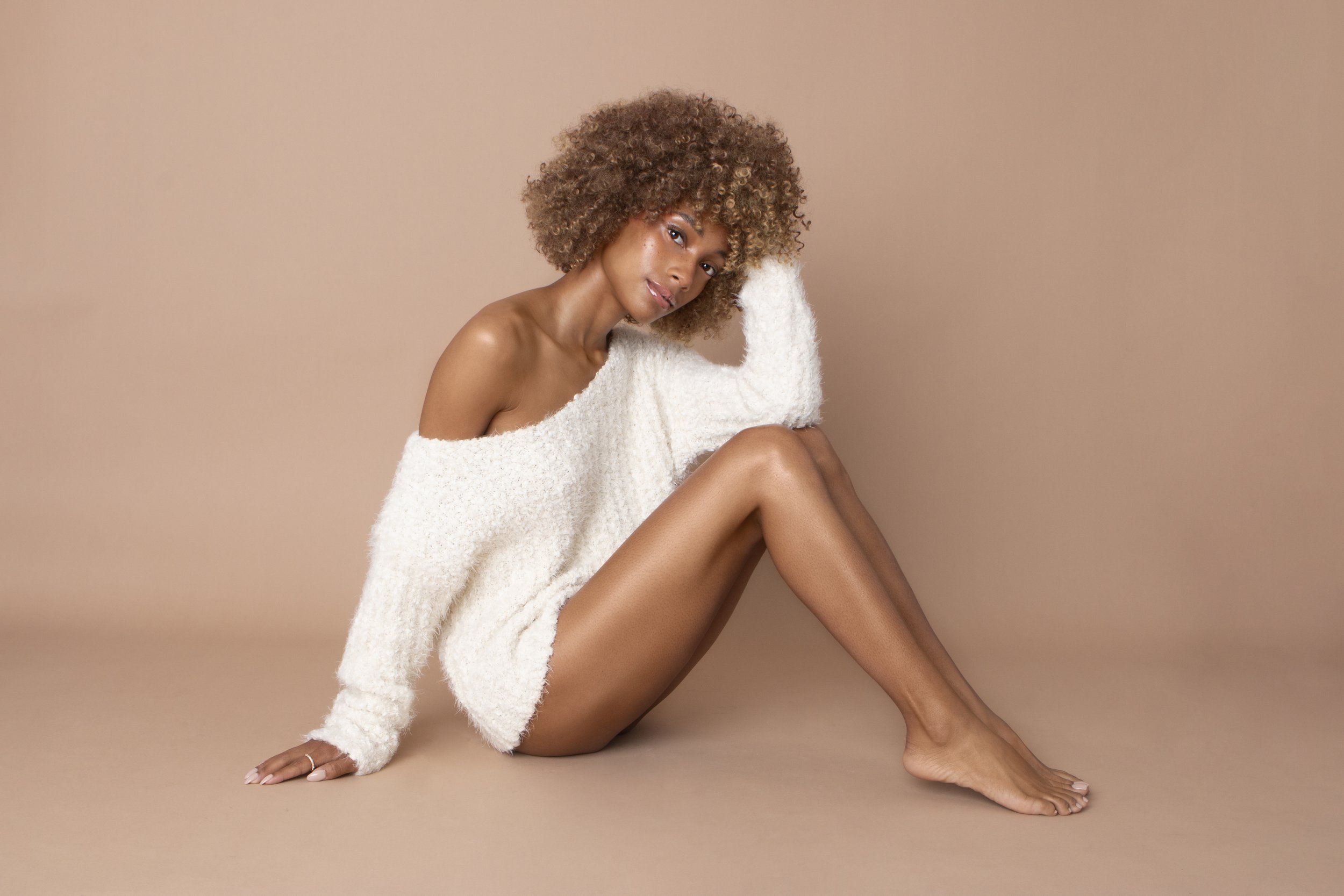
Editorial
Bold, artistic, concept-driven work. Strong in fashion stories and creative campaigns.
Rewards striking features and strong movement
Often lower volume, higher visual impact
Great fit if you're drawn to styling, concept, and creative collaboration
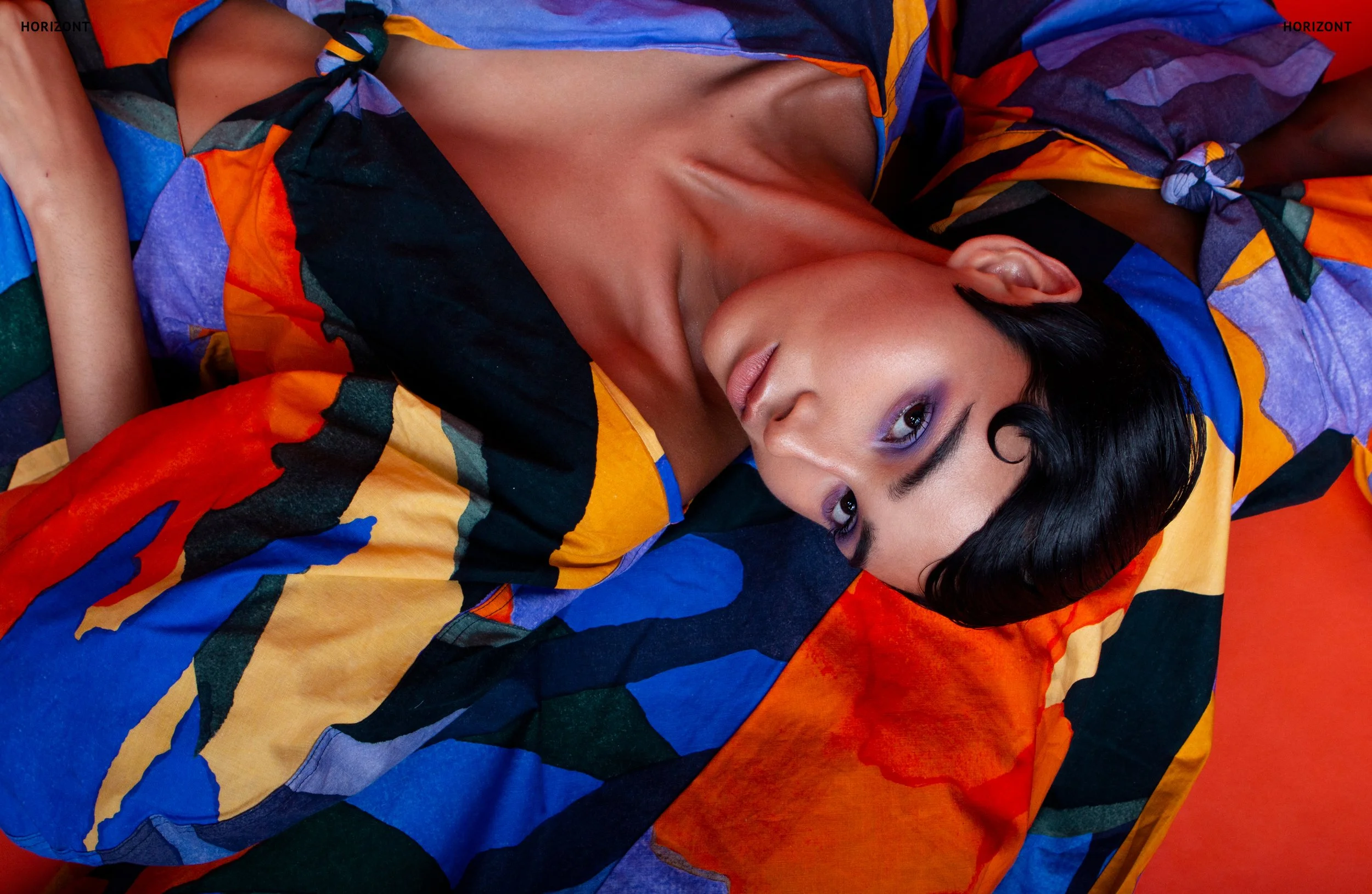
Fitness
Athletic, energetic, health-driven brand work.
Rewards physical conditioning and dynamic movement
Strong demand from activewear and wellness brands
Great fit if training and physicality are already part of your lifestyle

How to Spot Your Actual Niche
Don't guess. Look at the evidence already in front of you.
Pull your last 10-15 bookings or castings
Notice which category keeps showing up, even if unintentionally
Ask which type of set you felt most confident and natural in
Your niche is often already visible. It just hasn't been named yet.
Choosing a Lane Doesn't Mean Closing Doors
A primary niche doesn't mean refusing other work entirely.
Keep a clear primary focus for your portfolio and pitch
Stay open to occasional work outside that lane
Let your niche guide your main story, not your only story
This balance keeps you focused without limiting genuine opportunities.
FAQs: Finding Your Modeling Niche
Why does having a niche matter after a few years in the industry?
Clients and agencies respond better to a clear identity. A defined niche makes you easier to remember and pitch.
Can I still do other types of work outside my niche?
Yes. A primary niche guides your main portfolio and pitch, but occasional outside work is completely normal.
How do I know which niche fits me best?
Review your past bookings and castings. The pattern that keeps repeating is usually your natural fit.
Is commercial or editorial modeling more in-demand?
Commercial typically offers more consistent volume. Editorial offers less frequent but higher-impact opportunities.
Do I need a different portfolio for each niche?
Not necessarily separate portfolios, but your primary portfolio should clearly emphasize your chosen niche first.
The Bottom Line
You don't need to do everything to succeed. You need to be known for doing something well.
Look at what's already working, name it, and let it lead your next chapter.
Ready to build a portfolio that reflects your niche? See our editorial samples and let's define your next chapter.