New to Modeling? Here's Where to Actually Start
Every model asks the same question first: "What photos do I need?"
It's the right question. It's just missing an answer most new models never get.
Here's the truth: not all modeling photos are created equal. Some are for practice. Some are for getting signed. Confusing the two costs new models opportunities.
Model Digitals vs. Portfolio Building: What's the Difference?
Agencies don't want a polished, styled photoshoot for your first submission. They want digitals.
Model Digitals
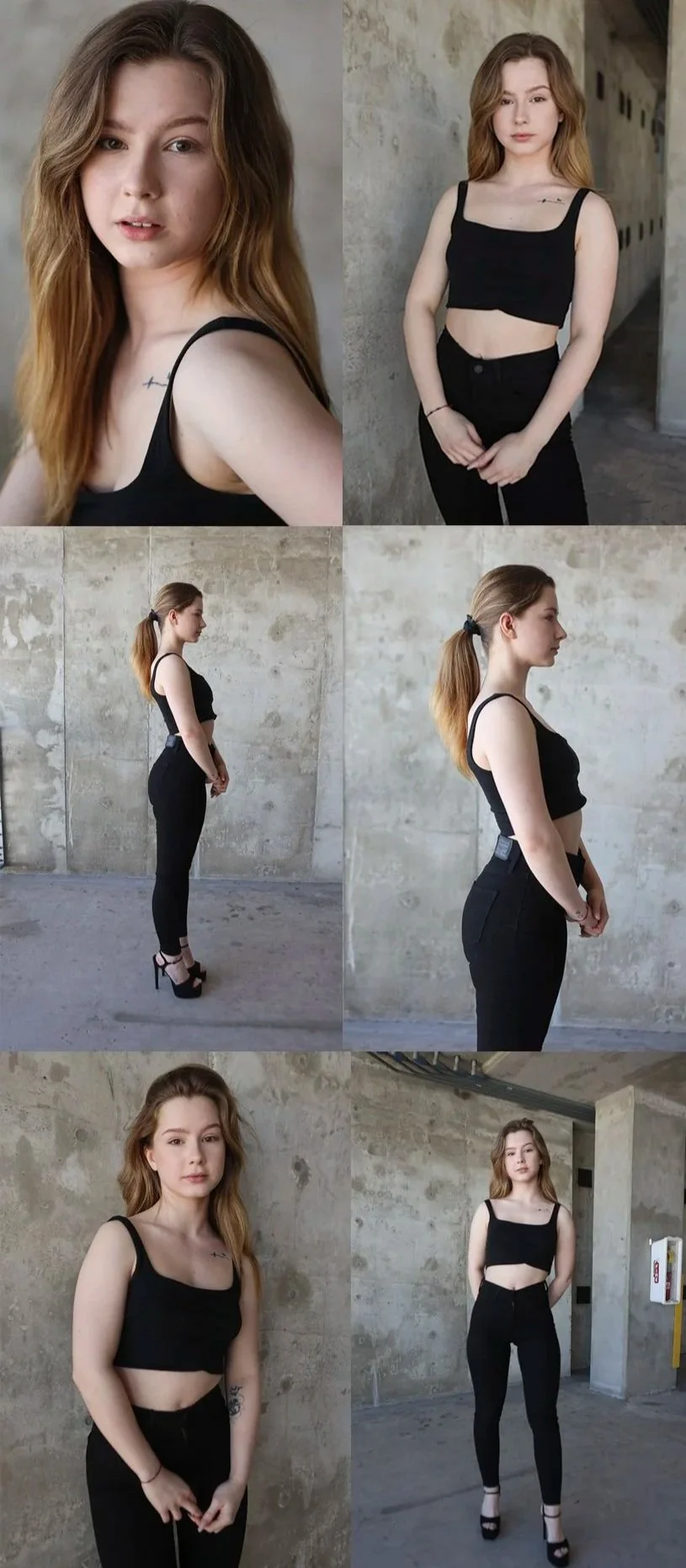
Digitals are simple, unretouched photos that show exactly what you look like.
Natural light or basic studio lighting
No heavy makeup or styling
Straight-on, profile, and full-body shots
Zero editing or filters
Agencies use digitals to see your real proportions, skin, and movement. This is your first impression. Make it honest.
Portfolio Building Sessions
Once you're signed, or ready to build a personal portfolio for castings, you need something different: a curated set of images that show range.
Different looks, angles, and styling
Editorial, commercial, and lifestyle shots
Images that highlight your specific strengths
A cohesive, professional presentation
This is what you submit to castings. This is what lives on your online portfolio. This is what clients scroll through in seconds and decide, yes or no.
Both matter. They just serve different purposes at different stages.
Where TFP Fits In
TFP (Time for Print/Photos) is trade work — you and a photographer collaborate for free, splitting the images.
I'm a big believer in TFP for one reason: practice.
Get comfortable in front of the camera
Learn your angles and best light
Build confidence before it counts
Work with new photographers and teams
TFP is where you grow. It's not where you should stop.
Why Practice Photos Shouldn't Be Submission Photos
Here's where new models get stuck. They take a great TFP shot, feel excited, and send it straight to an agency.
The problem isn't the photo. It's the purpose.
TFP work is often inconsistent in quality, lighting, or retouching. It's built for learning, not for landing a contract. What gets you signed — and what gets you booked — needs to be:
Intentional. Every image has a purpose.
Professional. Consistent lighting, styling, and quality.
Strategic. It highlights your strengths, not your weaknesses.
That last point matters most. A strong portfolio isn't about showing everything you can do. It's about showing your best — the shots that make an agency or client stop scrolling.
What Agencies Actually Look For

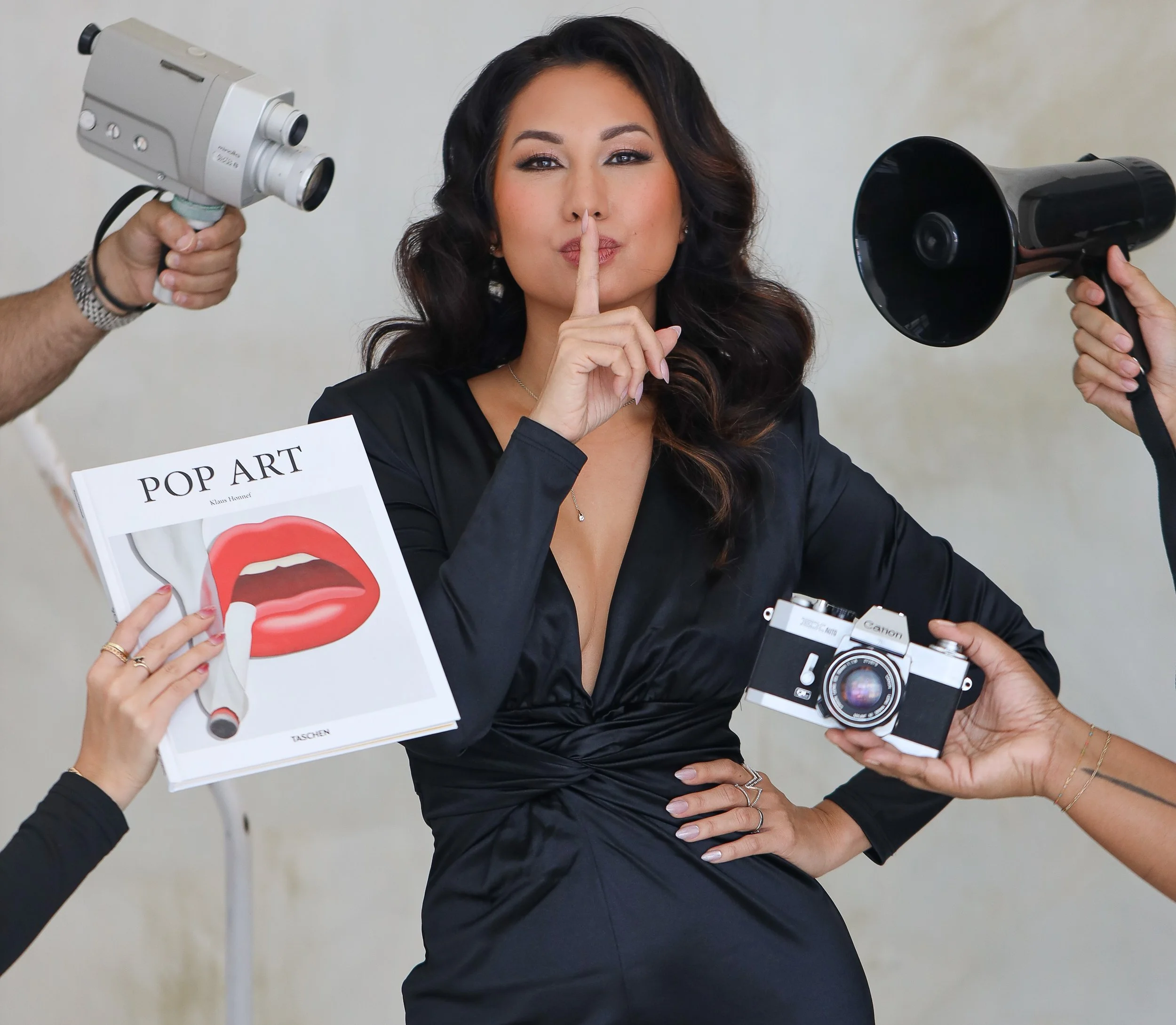
Our beautiful model client Stephanie Ramirez on set.
When I'm casting or reviewing talent, I'm not looking for perfection. I'm looking for clarity.
Can I see your face and body clearly?
Does this photo tell me who you are?
Would I book you based on this alone?
Blurry practice shots, over-edited filters, or inconsistent quality make that decision harder. Clean digitals and a focused portfolio make it easy.
A Simple Path for New Models
If you're just starting out, here's the order that actually works:
Start with digitals. Get the honest, unfiltered baseline agencies need.
Practice with TFP. Build comfort, range, and experience in front of the lens.
Invest in a portfolio session. Once you know your strengths, build a curated set that shows them off.
Update as you grow. Your portfolio should evolve with your experience, not stay frozen at day one.
FAQs: Model Digitals & Portfolios
What are model digitals used for?
Agencies use digitals to evaluate your natural look, proportions, and movement. They're unretouched and unstyled on purpose — think of them as your honest first impression.
Do I need a professional portfolio to get signed?
Not always. Most agencies only need clean digitals at first. A professional portfolio becomes essential once you're signed or actively submitting to castings.
Can I use TFP photos in my portfolio?
You can, if the quality is strong and consistent. But treat TFP as practice first. Save your portfolio for images that are intentional, well-lit, and show your strengths clearly.
How many photos should be in a model portfolio?
Quality beats quantity. A tight set of 8-12 strong, varied images outperforms a bloated portfolio full of similar or weak shots.
How often should I update my portfolio?
Update it as your look, experience, or goals shift. A good rule: refresh every 6-12 months, or sooner if you book a standout job.
The Bottom Line
New models don't need hundreds of photos. They need the right photos, at the right stage, for the right purpose.
Digitals get you seen. A strong portfolio gets you booked. TFP gets you ready for both.
Skip the shortcuts. Build it intentionally, and the right doors open.
Ready to build your digitals or your professional portfolio? Explore our modeling packages and let's create images that actually work for you.