
TFP Shoots: How to Get the Most Out of Them (Without Wasting Your Time)
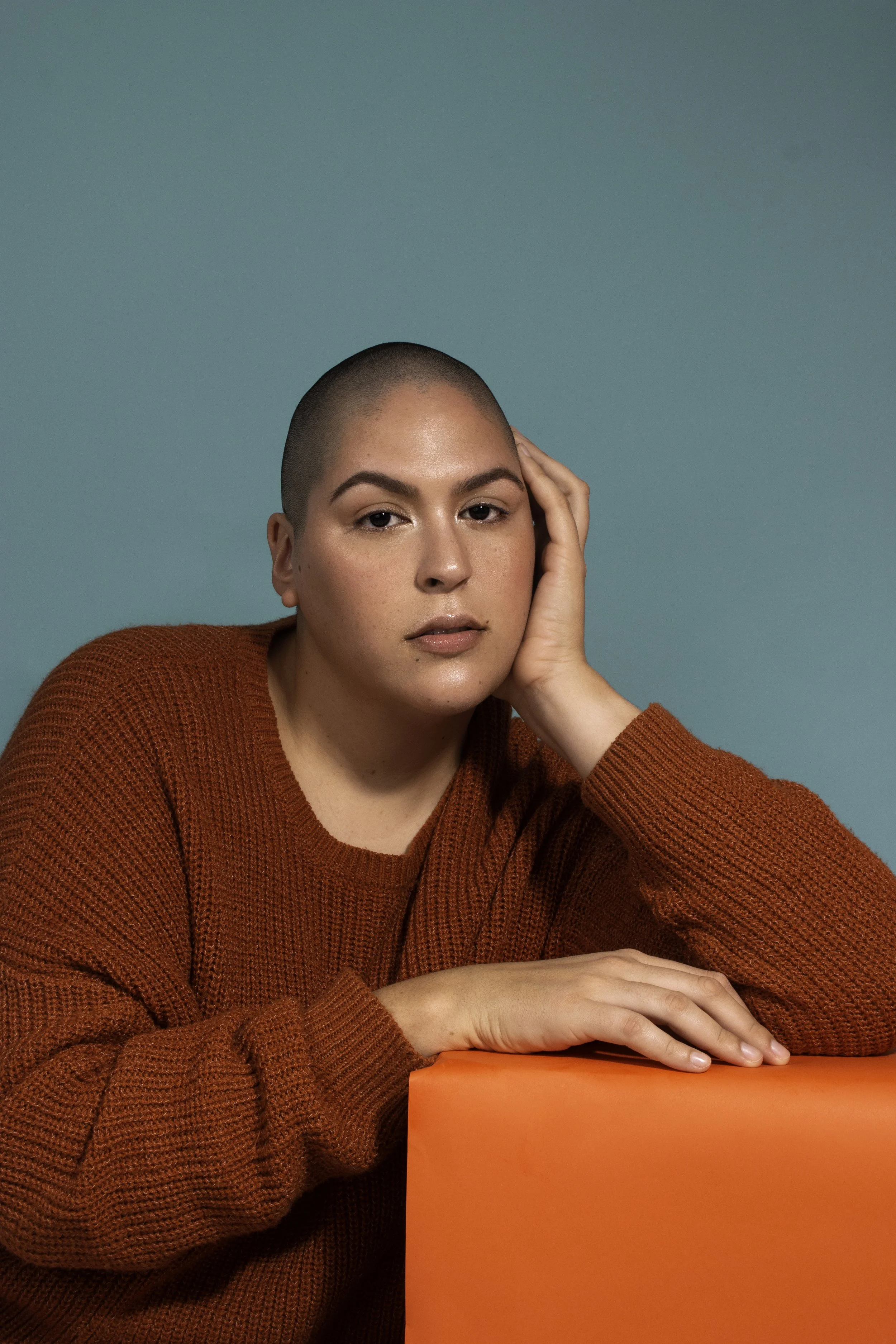
TFP can be one of the best tools a new model has.
It can also waste hours if you walk in without a plan.
Here's how to make every trade shoot count, instead of just collecting photos.
What TFP Is Actually For
TFP stands for "Time for Print" (or Time for Photos) — you trade your time for images, no payment involved.
It's built for practice, not for submission-ready portfolio work
It's a chance to build comfort in front of the camera
It's where new photographers and models often grow together
Treat it as training, not as your final product.
Vetting a Photographer Before You Commit
Not every TFP opportunity is worth your time. A little research goes a long way.
Review their portfolio for consistency, lighting quality, and editing style
Look for professionalism in how they communicate beforehand
Ask about the shoot plan — concept, location, expected turnaround
If communication feels vague or unprofessional before the shoot, it often stays that way during it.
Setting Clear Expectations Upfront
Avoid confusion by clarifying details before shoot day, not during it.
Confirm how many final images you'll receive
Confirm turnaround time for edited photos
Agree on usage rights — can both parties post and use the images?
Clear expectations protect your time and prevent frustration later.
Making the Most of the Shoot Itself
Once you're on set, focus on what TFP is genuinely good for: growth.
Practice different angles and expressions, even ones outside your comfort zone
Ask for feedback on posing and movement in real time
Treat it like a real casting environment — professionalism still matters
The goal isn't perfect images. It's real experience you can build on.
What to Do With the Photos Afterward
Not every image from a TFP shoot deserves a permanent spot in your portfolio.
Review results honestly, the same way you'd audit any other work
Keep only the strongest, most consistent shots if any make the cut
Use the rest purely as a learning reference, not public-facing material
TFP builds skill. Your submission-ready portfolio should still meet a higher bar.
FAQs: Making TFP Shoots Worthwhile
What does TFP actually mean?
Time for Print (or Time for Photos) — a trade shoot where no payment is involved, and both parties share the images.
Is TFP work good enough to submit to agencies?
Usually not directly. TFP is best used for practice; agency submissions need more consistent, professional-quality images.
How do I know if a TFP photographer is worth working with?
Check their portfolio for consistent quality, and pay attention to how professionally they communicate before the shoot.
What should I agree on before a TFP shoot?
Number of final images, turnaround time, and usage rights for both the model and photographer.
Should every photo from a TFP shoot go in my portfolio?
No. Review the results honestly and only keep the strongest, most consistent images, if any qualify.
The Bottom Line
TFP is a training ground, not a shortcut.
Vet your collaborators, set clear expectations, and use every shoot to build real skill, not just a folder of photos.
Ready to build the skills that make every shoot count? Explore our modeling workshop and get set-ready.